
ආචාරධර්ම
ශ්රී විද්යා උපාසකයෙකුගේ ආචාර ආචාරධර්ම පද්ධතිය සහ රාජ නීතියට ඇති ගරුත්වය
ශ්රී විද්යා උපාසකයෙකුගේ ජීවන පැවැත්ම සහ පිළිපැදිය යුතු වත්පිළිවෙත් පිළිබඳව චින්මයී තන්ත්රය, ලලිතා සාරාධ්ය, අගස්ත්ය සම්හිතා, සහ භාස්කරරායගේ ලලිතා සහස්රනාම භාෂ්ය වැනි ප්රාමාණික ග්රන්ථවල ඉතා පැහැදිලිව උපදෙස් ලබා දී ඇත. ශ්රී විද්යාව යනු හුදු මන්ත්ර බලයක් නොව, එය අධ්යාත්මික විනයක් මත පදනම් වූ දැඩි මාර්ගයකි.
එම ග්රන්ථ ඇසුරෙන් උපුටා ගත්, ශ්රී විද්යා උපාසකයෙකු සතු විය යුතු ප්රධාන ආචාරධර්ම 12ක් පහත දැක්වේ.
ශ්රී විද්යා උපාසකයාගේ මූලික ආචාරධර්ම 12
- ධර්මානුකූල භාවිතය: මන්ත්ර, යන්ත්ර හෝ තන්ත්ර කිසිසේත්ම අයුක්තිමත් හෝ නීති විරෝධී පෞද්ගලික අරමුණු සඳහා භාවිත නොකළ යුතුය. “විද්යාව කිසිසේත් ධර්මයට විරුද්ධ නොවිය යුතුය.”
- රාජ නීතියට ගරු කිරීම: රටේ පවතින නීතියට ප්රථමයෙන් ගරු කිරීම සහ එය අනුගමනය කිරීම උපාසකයාගේ මූලික වගකීමකි.
- ගුරු උපදේශය: සියලු වත්පිළිවෙත් තමාගේ ගුරුදේවයන්ගේ උපදෙස් මතම පමණක් සිදු කළ යුතුය.
- අයුක්ති සහගත භාවිතයෙන් වැළකීම: තනතුරු, දේපල හෝ වෛරය පදනම් කරගෙන සතුරෙකුට හෝ හානි කිරීමට මන්ත්ර බලය යොදා ගැනීම ශ්රී විද්යාවට සපුරා තහනම්ය.
- ශුද්ධාචාරය (පිරිසිදුකම): නිරන්තරයෙන් කායික හා මානසික පිරිසිදුකම ආරක්ෂා කර ගැනීම.
- ගුප්තභාවය: ගුරුන්ගෙන් ලැබූ මන්ත්ර රහස්ය ලෙස තබා ගැනීම සහ අවිනීත ලෙස ප්රසිද්ධ නොකිරීම.
- කෙලෙස් දුරු කිරීම: ලෝභ, ක්රෝධ, මෝහයන් අත්හැර මනස ශ්රද්ධාවෙන් හා සත්යයෙන් පවත්වා ගැනීම. දෙවියන් ලවා පලිගැනීම් හෝ විනාශකාරී දේ සිදු නොකළ යුතුය.
- භෞතික ලාභය අරමුණු නොකිරීම: මෙම මාර්ගය මෝක්ෂය සහ චිත්ත ශුද්ධිය සඳහාම පමණක් යොදා ගත යුතුය. බලය හෝ ආර්ථික ලාභ උදෙසා තම ඥානය විකුණා නොදැමිය යුතුය.
- අභිචාර විධි ප්රතික්ෂේප කිරීම: සූනියම්, හදි හූනියම් හෝ වින කිරීම් වැනි අශුද්ධ ක්රියාවන් (අභිචාර) සපුරා තහනම් වේ.
- භක්තිය පෙරදැරි කර ගැනීම: සියලු දේව කාර්යයන් ශ්රද්ධාවෙන් හා භක්තියෙන් පමණක් සිදු කිරීම.
- අවිද්යාවෙන් වැළකීම: යන්ත්ර සහ මන්ත්රයන්හි නියමිත ස්වරූපය විකෘති නොකිරීම.
- සත්යය රැක ගැනීම: නිරන්තරයෙන් සත්යය සහ ධර්මය වෙනුවෙන් පෙනී සිටීම.
විවිධ ග්රන්ථවල මේ පිළිබඳව දක්වා ඇති අයුරු
මෙම නීති රීති හුදු ලැයිස්තුවක් නොව, පුරාණ ග්රන්ථවල විවිධ අවස්ථාවන්හිදී අවධාරණය කර ඇති මූලධර්මයන්ය:
- ලලිතා සාරාධ්ය: ගුරු උපදේශයේ අනිවාර්ය බව සහ රහස්යභාවය රැකීම ගැන පෙන්වා දෙයි.
- අගස්ත්ය සම්හිතා: ශ්රී චක්ර පූජාවේදී ධර්මය රැකීම සහ ශ්රද්ධාවේ ඇති වැදගත්කම අවධාරණය කරයි.
- භාස්කරරාය භාෂ්ය: අභිචාර විධි තහනම් කිරීම සහ ගුරු උපදේශයේ ඇති පුළුල් පරාසය විස්තර කරයි.
- චින්මයී තන්ත්රය හා තන්ත්රරාජ තන්ත්රය: මන්ත්ර භාවිතයේ ඇති විශේෂ නීති සහ එම ක්රියාවන් ලෝක සම්මතයට එකඟ විය යුතු බව පෙන්වා දෙයි.
- ත්රිපුරා රහස්ය: උසස් ආචාරධර්ම සහ රාජ නීතියට විරුද්ධ වන්නන්ගේ විද්යාව නිශ්ඵල වන ආකාරය පැහැදිලි කරයි.
ශ්රී විද්යාව සහ රාජ නීතිය (රටේ නීතිය)
ශ්රී විද්යා උපාසකයෙකු රාජ නීතියට හිස නැමිය යුතු බව අගස්ත්ය සම්හිතාව සෘජුවම පවසයි. ඕනෑම උපාසකයෙකු තම අධ්යාත්මික කටයුතු ඇරඹීමට පෙර දේශ නීතිය සහ සමාජ නීති අනුගමනය කිරීම අනිවාර්ය වේ.
තන්ත්රරාජ තන්ත්රයට අනුව, යම් මන්ත්ර ක්රියාවක් සාර්ථක වන්නේ එය රජුට (රජයේ නීතියට) අනුකූල වන්නේ නම් පමණි. නිදසුනක් ලෙස, නඩු තීන්දුවක් වෙනස් කිරීමට හෝ විනිසුරුවරුන්ට බලපෑම් කිරීමට තන්ත්ර විද්යාව යොදා ගැනීම ශ්රී විද්යාවට සපුරා පටහැනි ක්රියාවකි. එවැනි අයුක්ති සහගත ක්රියා කරන අයගේ විද්යාව කිසිසේත් ඵල නොදරන බව ත්රිපුරා රහස්යයේ සඳහන් වේ.
ආදර්ශය: පරමාත්ම ශ්රී කෘෂ්ණ පවා මහා භාරත යුද්ධයේදී සාම දූතයෙකු ලෙස කටයුතු කළේ තම දිව්යමය බලයෙන් සියල්ල විසඳීමට හැකියාව තිබියදීත්, ලෝක සම්මත නීතියට ගරු කරමිනි.
නිගමනය
අප ශ්රී විද්යාව උගන්වන්නේ බලය පෙන්වීමට හෝ මැජික් පෙන්වීමට නොවේ. රාවණා වැනි බලවතුන් පවා විනාශ වූයේ ධර්මයට පිටින් තම බලය යෙදවූ බැවිනි. සැබෑ ශ්රී විද්යා උපාසකයා යනු ලෝක සත්වයාගේ යහපත උදෙසා මන්ත්ර ස්තෝත්ර භාවිත කරන, දෙවියන් වෙත යන මාවත පෙන්වා දෙන, රටේ නීතියට ගරු කරන ගුණගරුක පුද්ගලයෙකි.
සැබෑම ශක්තිය සහ සැබෑම මායා ශක්තිය වන්නේ ‘භක්තිය’ පමණි.
ලිපිය සැකසුම:
ගිහාන් මධුමන්ත
පුලස්ති ගුරුකුලය
The Ethical Code of a Shree Vidya Upasaka and Respect for the Rule of Law
The lifestyle and daily observances of a Shree Vidya Upasaka (practitioner) are clearly outlined in authoritative texts such as the Chinmayi Tantra, Lalita Saredhya, Agastya Samhita, and Bhaskararaya’s commentary on the Lalita Sahasranama. Shree Vidya is not merely a collection of mantra powers; it is a rigorous path founded upon spiritual discipline.
Derived from these scriptures, here are the 12 fundamental ethics that a Shree Vidya Upasaka must possess:
The 12 Fundamental Ethics of a Shree Vidya Upasaka
- Righteous Application (Dharmic Use): Mantras, Yantras, or Tantras must never be used for unjust or illegal personal gains. “Science/Knowledge (Vidya) must never contradict Righteousness (Dharma).”
- Respect for State Law: It is the primary responsibility of the practitioner to respect and follow the prevailing laws of the country.
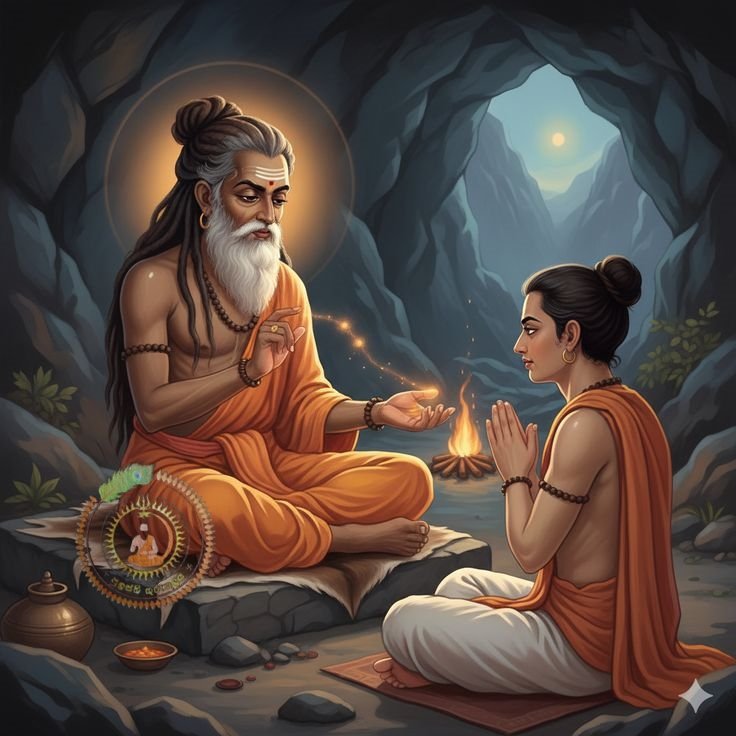
- Guidance of the Guru: All rituals and practices must be performed strictly according to the instructions of one’s spiritual teacher (Gurudeva).
- Avoiding Unjust Usage: It is strictly forbidden in Shree Vidya to use mantra power to harm an enemy or to gain positions, property, or settle personal vendettas.
- Shuddhachara (Purity): Maintaining constant physical and mental purity.
- Secrecy (Guptatva): Keeping the mantras received from the Guru confidential and not publicizing them disrespectfully.
- Eradicating Defilements: Abandoning greed, anger, and delusion while maintaining a mind filled with faith and truth. One must not seek revenge or destruction through the Divine.
- Non-attachment to Material Gain: This path should be used solely for liberation (Moksha) and mental purification. One must not sell their knowledge for power or economic profit.
- Rejection of Maleficent Rituals (Abhichara): Unholy acts such as sorcery, hexes, or “voodoo-like” harmful practices (Abhichara) are strictly prohibited.
- Devotion as the Foundation: Performing all divine tasks with absolute faith (Shraddha) and devotion (Bhakti).
- Avoiding Ignorance: Ensuring that the prescribed forms of Yantras and Mantras are never distorted.
- Upholding the Truth: Constantly standing for Truth and Dharma.
Perspectives from Various Classical Texts
These rules are not just a list but core principles emphasized across ancient scriptures:
- Lalita Saredhya: Highlights the mandatory nature of the Guru’s instructions and the preservation of secrecy.
- Agastya Samhita: Emphasizes the importance of upholding Dharma and faith during Shree Chakra Puja.
- Bhaskararaya Bhashya: Details the prohibition of Abhichara (harmful magic) and the broad scope of the Guru’s guidance.
- Chinmayi Tantra & Tantraraja Tantra: Point out the specific laws of mantra usage and state that such actions must align with universal social norms.
- Tripura Rahasya: Explains that the knowledge (Vidya) of those who oppose high ethics and state laws becomes fruitless.
Shree Vidya and the Rule of Law (State Law)
The Agastya Samhita explicitly states that a Shree Vidya Upasaka must bow to the law of the land. It is mandatory for any practitioner to follow national and social laws before commencing spiritual activities.
According to the Tantraraja Tantra, a mantra ritual is successful only if it aligns with the “King’s Law” (Government Law). For instance, using Tantra Vidya to alter a court verdict or influence judges is entirely contrary to the principles of Shree Vidya. The Tripura Rahasya mentions that the knowledge of those who perform such unjust acts will never bear fruit.
The Example: Even the Supreme Lord Shri Krishna acted as a peace messenger during the Mahabharata war. Despite having the divine power to resolve everything instantly, he chose to respect the established worldly laws and norms.
Conclusion
We do not teach Shree Vidya to display power or perform “magic.” Even powerful figures like Ravana were destroyed because they applied their power outside the bounds of Dharma. A true Shree Vidya Upasaka is a virtuous individual who respects the law of the country, uses mantras and stotras for the well-being of all living beings, and shows the path to the Divine.
The only true strength and the ultimate “miraculous” power is Devotion (Bhakti).
Article Compiled by:
Gihan Madhumantha
Pulasthi Gurukulaya